

El blog

Is Albania Worth Visiting? An Honest Guide from Someone Who Actually Went
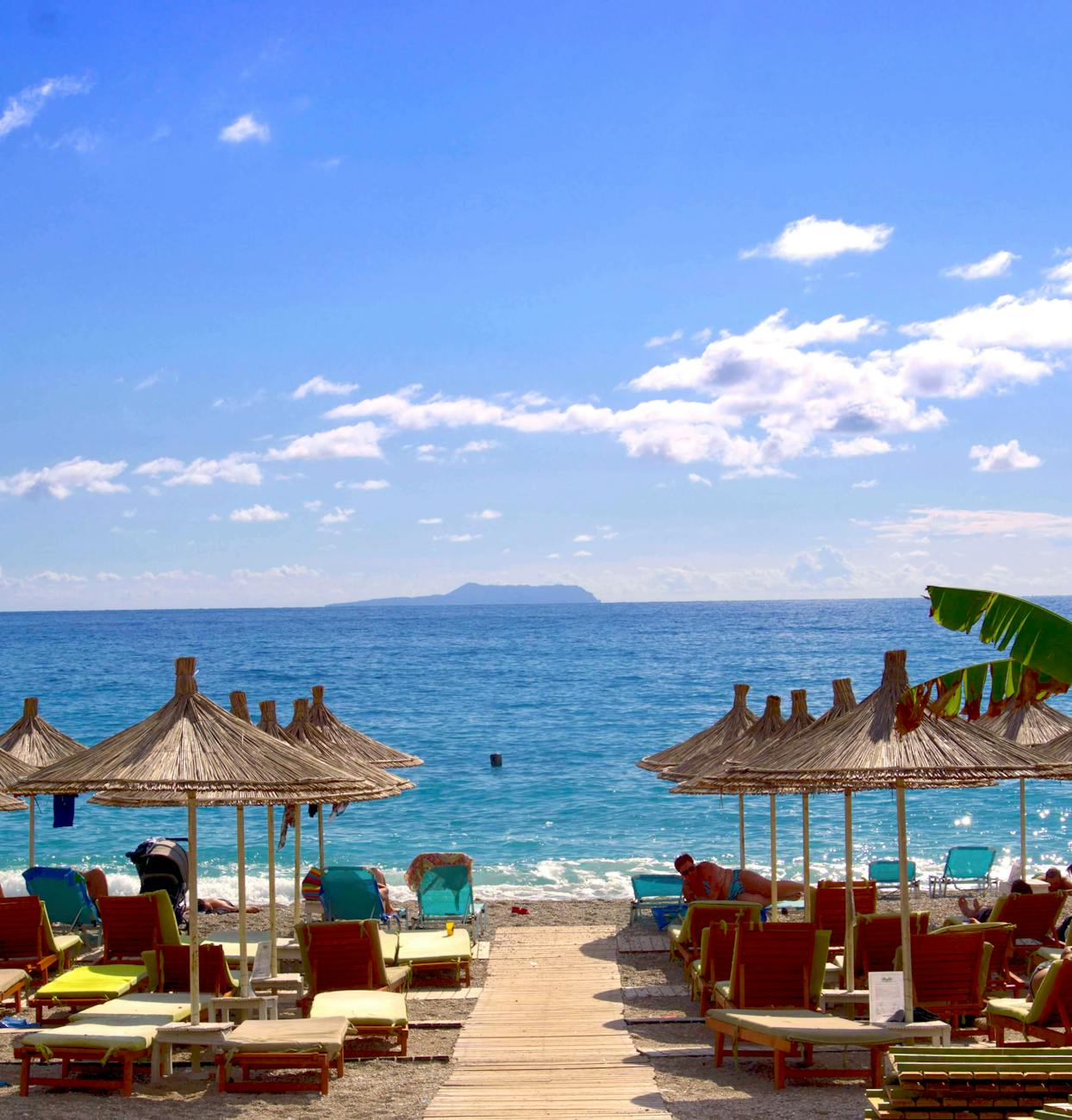
If you’re wondering whether Albania is worth visiting, let me take you back to my very first 30 minutes in the country, a sequence of events so chaotic that even my travel-hardened soul questioned why I was there.
It began with the SIM-card lady.
You know the type: no eye contact, no words, just aggressive mouse-clicking that suggested she was either single-handedly running the Albanian secret service… or trying to break a world record for “most hostile data activation”. When my internet inevitably didn’t work, I returned for help and received an eye-roll so powerful it could realign the Balkan tectonic plates.
Then came the man who claimed the car hire office was a 30-minute walk away.
Spoiler: it was 200 metres. His exact words were, “For me, it is walking distance. For you? Maybe not.”
Rude.
Disclaimer: This post may include affiliate links. If you click on the link and make a purchase, I will receive a small commission at no extra cost to you. Affiliate links help cover the cost of running my website so that I can continue inspiring my readers to explore the world.
What had I signed up for?
By this point I was already questioning Albania’s national love language (early signs suggested: sarcasm).
And then… we got lost trying to find our hotel.
We circled a crumbling communist-era block dotted with corrugated iron, hanging laundry, and cars older than my childhood trauma. I was ready to apologise to Rachel for booking the worst trip ever when we found it: a beautiful yellow villa hidden behind the chaos, complete with gardens and history and absolute tranquillity.
And then came salvation: the best ice cream I have ever eaten in my life.
Cone filled with melted chocolate. Eight flavours. Happiness restored.
Albania had just taken me from despair to devotion in under an hour.

What Makes Albania Special?
If I had to explain Albania in one sentence, it would be this: a raw, generous, gloriously unpredictable country that still feels like real travel.
And honestly? That’s exactly why Albania is worth visiting.
Unlike its polished European neighbours, where things run on time, where menus come in six languages, and where you can predict your experience before you even arrive, Albania is beautifully unfiltered. It’s Europe before tourism went corporate. It’s chaos with charm. And it’s kindness with zero performative fluff.
The Hospitality Is on Another Level (Even When It’s Not)
Albania tests you in the beginning. But give it an hour, and suddenly you’re being fed BBQ by complete strangers at a birthday party you were never invited to.
We’d pulled over at a roadside kafe after narrowly avoiding a head-on collision with a BMW practising for the Albanian Grand Prix. A young man named Landi came out to say the restaurant was closed for a private celebration… followed immediately by:
“But you can join us outside. Come, sit. Eat.”
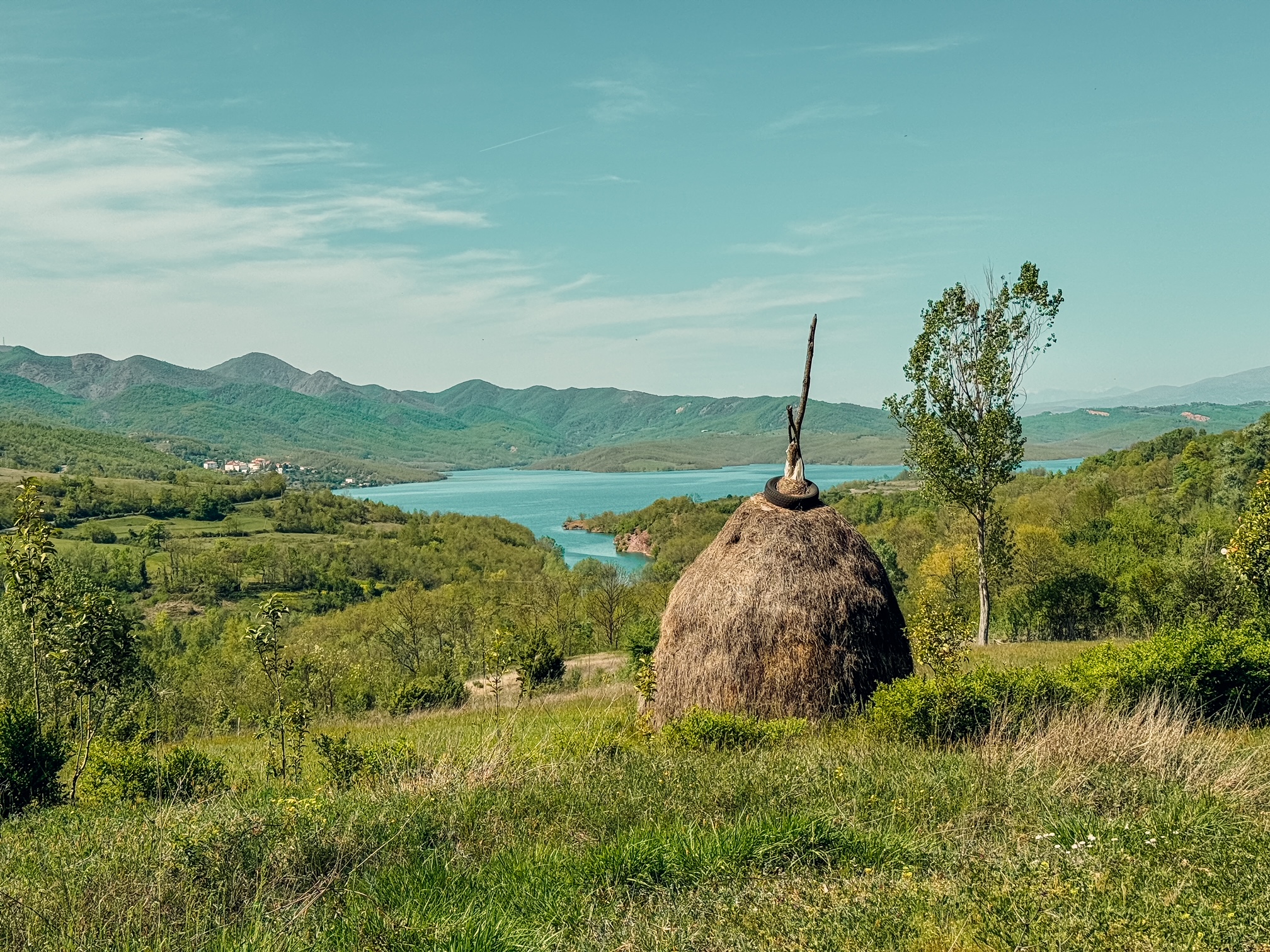
Next thing we knew, we were sitting under a tree overlooking Lake Ulza with plates of grilled meat, cheese, salads, and ice-cold drinks. No transaction. No expectation. Just hospitality that goes straight to the heart.
A Culture Shaped by Resilience
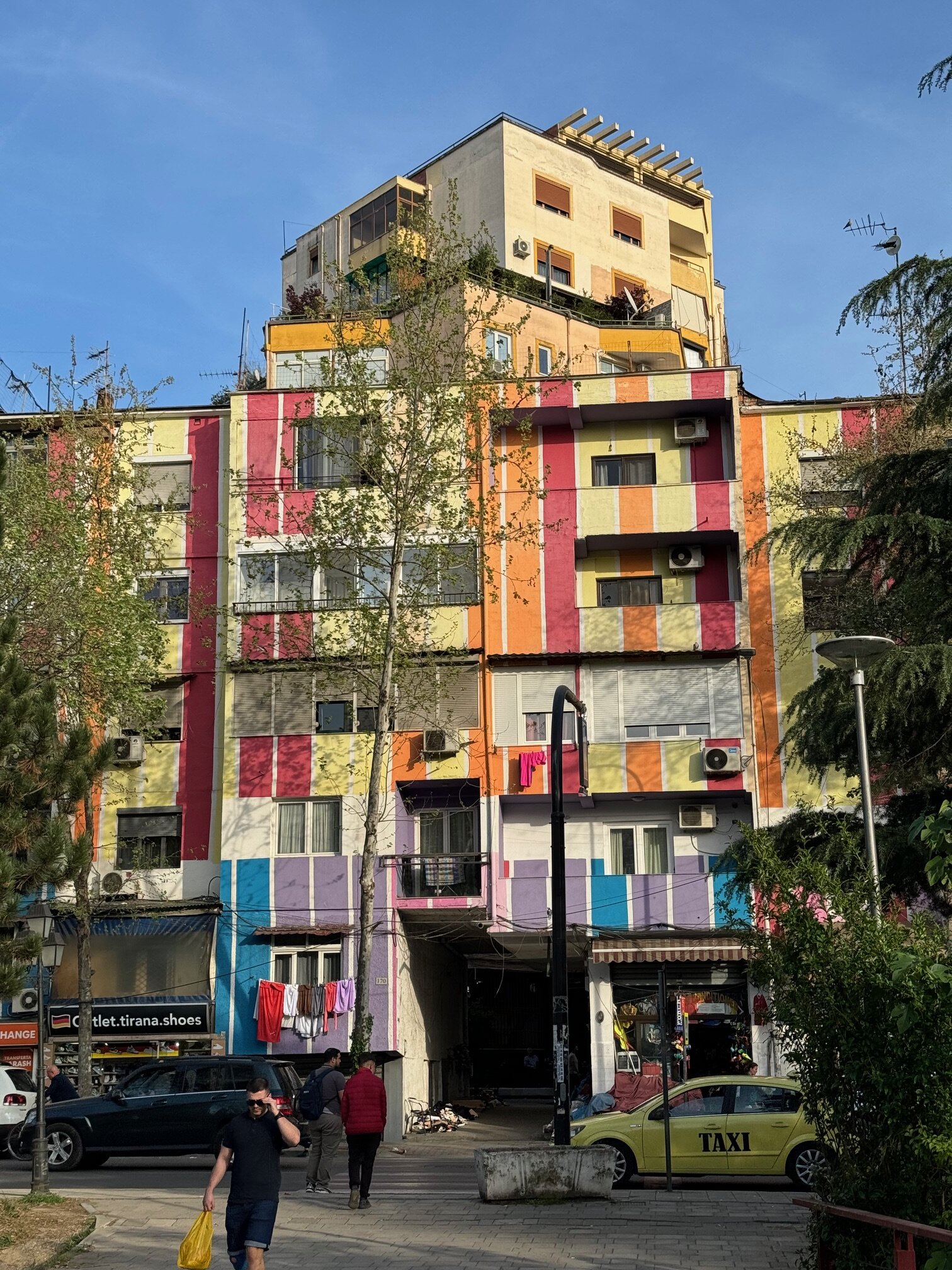
Albania’s identity is deeply shaped by its communist past, over 40 years of isolation, paranoia, bunkers, and hardship. Yet the people you meet today are warm, funny, proud, and resourceful. They’ll tell you stories of corruption, of buying licenses instead of earning them, of navigating a system stacked against them, and they’ll do it with a kind of humour that makes you admire them even more.
It’s this resilience that gives Albania its edge: life isn’t polished, but it’s real.
It Hasn’t Been Instagram-polished (Yet)
When you wander Tirana’s markets or rural villages, you are often the only tourist. People talk to you because they’re curious, not because they’re trying to sell you anything. The countryside feels untouched. The Albanian Alps feel like Slovenia 20 years ago. The Riviera is still, just about, holding onto its authenticity outside of Ksamil.
The Connections You Make Are Real
A market lady with two English words (“OK” and “no worries”).
A grandpa in Shkodër who made pasta and prawns just for you because no one else was in his restaurant.
A woman feeding a dozen stray dogs with offal while chatting to you in Albanish-Italian-English-Spanish fusion.
A coffee shop owner who refused to let you pay.
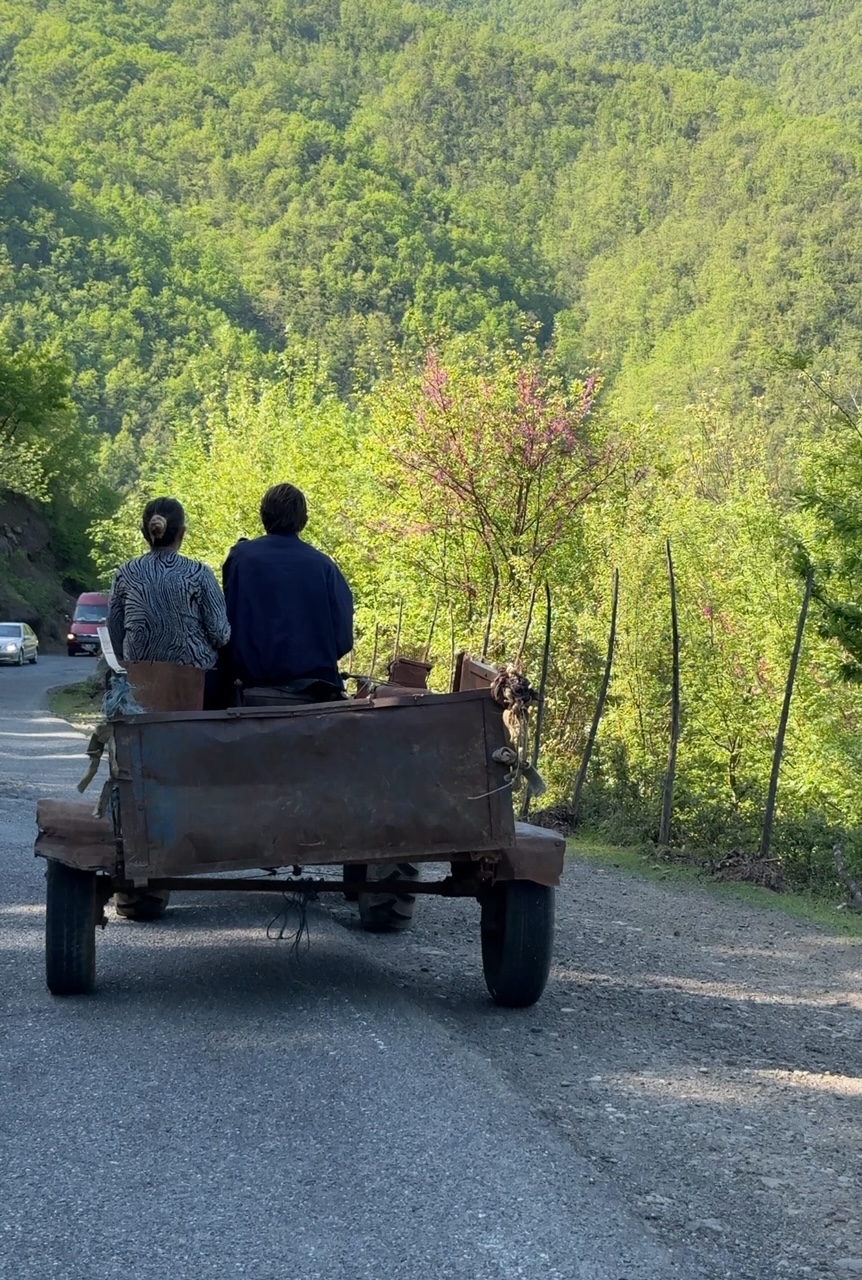
These people aren’t “tourist friendly”.
They’re just friendly.
And that’s what makes Albania special.
It’s messy, maddening, heartwarming and unforgettable…all at once.
Best Things To Do in Albania
If you’re planning your first trip and wondering what you can actually do in Albania (and whether Albania is worth visiting beyond its chaotic roundabouts), the answer is: absolutely yes, and far more than you think. From communist bunkers to blue-eyed waterfalls, to mountains that look like Slovenia’s long-lost cousins, Albania is a playground for curious travellers.
Here’s the full list of the best things to do in Albania, a mix of must-sees, hidden gems, and experiences drawn straight from my own week of chaotic, heartwarming, occasionally life-threatening adventures.
1. Explore the Communist Bunkers (Bunk’Art 1 & 2)
If Albania had a national symbol, it would be the bunker, there are 175,000 of them scattered across the country like paranoid concrete mushrooms.
Bunk’Art 1 is the star:
- Built by communist dictator Enver Hoxha
- 106 rooms
- Buried under 100 metres of hillside
- Equal parts fascinating and eerie
- Genuinely enormous (you’ll barely scratch 2/3 of it)
Walking through the blast-proof corridors, gas mask rooms, and abandoned meeting halls is like stepping into a Cold War time capsule. It’s sobering, haunting, and absolutely essential to understanding Albania.
Bunk’Art 2, in the city centre, focuses more on the regime’s secret police and the darker side of communist rule.
If you want to understand Albania, start here.
2. Take a Road Trip Through the Albanian Alps
This is where Albania truly flexes.
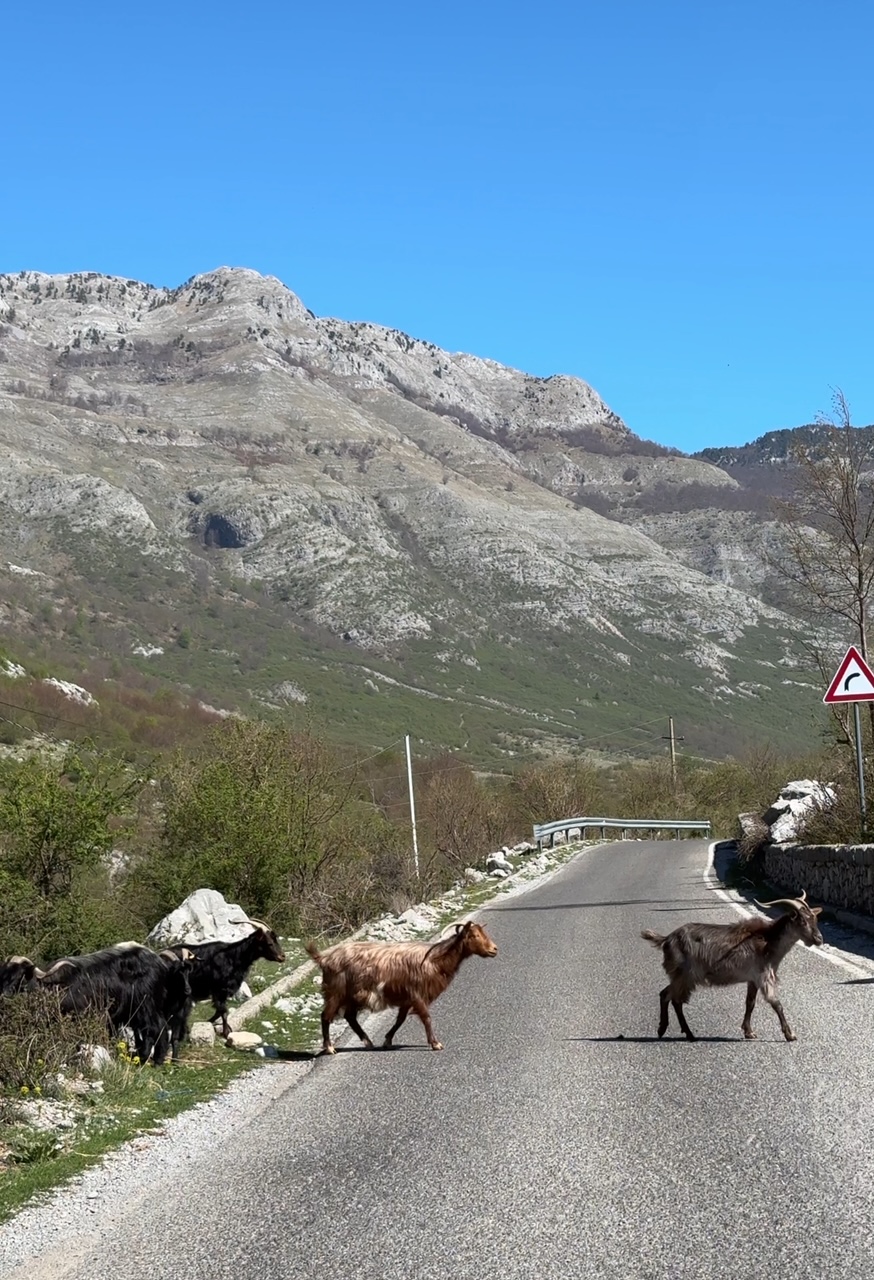
Imagine Slovenia’s Soča Valley mixed with the rugged, dramatic landscapes of Montenegro, and then sprinkle in occasional moments of “oh wow we might die” courtesy of the local drivers.
The drive from Shkodër to Theth includes:
- Hairpin bends with no barriers
- Sheer drops
- Deck-chair-sized potholes
- Cars overtaking around blind corners
- Breathtaking views that almost distract you from the fact you’re playing real-life Mario Kart
But when you arrive?
Theth is a tiny village of stone houses and mountains so tall they slice the sky. It’s peaceful, pure, and downright magical.
This drive is worth every swerve.

3. Hike to Theth Waterfall & the Blue Eye
Two of Albania’s most iconic hikes, and both are hugely rewarding.
Theth Waterfall
A rocky hike along a turquoise river, dotted with questionable bridges:
- One was missing half its planks
- Another wobbled like a toddler on roller skates
- Rachel opted to wade through the river instead while I bravely prioritised dry feet
The waterfall at the end? Stunning. A powerful column of water tumbling down a narrow cliff. One of the highlights of my trip.
Theth “Blue Eye”
Not to be confused with the Blue Eye in the south, this one is a jewel-toned pool hidden in the mountains.
We missed it because we thought the small widening in the river was it. (Spoiler: it wasn’t.) It was five minutes further… and we only found out once we had hiked back to the top of the hill. A return trip is now mandatory.
We visited Theth in a single day, but I wish we’d spent at least 2 days there to make the most of the stunning scenery and mountain air.

4. Wander Berat Castle (Before Overtourism Ruins It)
Berat is known as the “city of a thousand windows,” which is adorable but wrong. The Albanian phrase actually means “one over one.” But honestly? You won’t care what it’s called when you’re standing there with your jaw on the floor.
Inside its fortress walls:
- 300 people still live there
- Narrow cobblestone alleys twist through the village
- Ottoman houses lean over steep lanes
- Sunrise and sunset are magic
If you don’t fancy driving there are some great tours to Berat from Tirana which start for as little as €19 for a full day!
But a warning:
800,000 tourists visited last year, and there are no restrictions in place. People climb on walls, touch ancient frescoes, and wander wherever they like. If Albania doesn’t intervene, this place will be ruined very soon.
So go now, but go respectfully.
5. Swim, Sunbathe & Road Trip the Albanian Riviera
The Albanian Riviera offers:
- Crystal-clear water
- White pebble beaches
- Affordable beach bars
- Sunset viewpoints
- A vibe somewhere between Greece and Montenegro
Best spots:
- Himarë – authentic, chilled, gorgeous coves
- Dhermi – stylish but not pretentious
- Ksamil – beautiful but overcrowded (pick your month wisely)
- Gjipe Beach – a stunning hidden cove accessible by hike
Pro tip: avoid July–August unless you enjoy human sardine experiences.
6. Enjoy a Food Tour in Tirana
Tirana’s food scene is wildly underrated.
A food tour is the perfect intro, although be prepared for:
- Sheep’s head soup (yes… literal head)
- Coffee culture comparable to Italy
- Bakeries selling odd ice-cream floats
- Trendy bars with rock memorabilia
- Delicious mezze plates
- Blueberry pasta that sounds questionable but tastes heavenly

It’s a blend of Ottoman, Mediterranean, Balkan, and “Albanian grandma insists you try this” energy. We did ours with Go As Local and loved it (well, I’d skip the sheep’s head next time!)
7. Visit Local Markets
Albanian markets are my personal happy place. No gimmicks, no staged “local experiences,” no fifteen-euro fridge magnets. Just real people, real life, and the best game of charades you’ll ever play.
At one stall, an old lady managed to sell me clothing using only two English words (“OK” and “no worries”), three Albanian words, a lot of enthusiastic pointing, and the universal language of “smile until someone understands you.”
That’s Albania: chaotic, charming, and beautifully human.
8. Discover Traditional Villages
Villages like Theth, Lin, Qeparo, and Voskopoja offer a window into life before tourism. You’ll find:
- Stone houses
- Farmers selling fruit from wheelbarrows
- Coffee served in tiny cups
- Stray dogs that act like everyone’s pets
- Views that stop you in your tracks

9. Coffee Culture Crawl
Albania runs on coffee. And cigarettes. And loud conversations shouted across tiny metal tables that wobble even before you sit down.
If you want to feel the pulse of the country, skip the museums for an hour and plant yourself at any pavement café in Tirana or Shkodër. Order an espresso (there is no such thing as a weak one), settle into your chair, and watch life unfold.
Everyone smokes. Everyone talks. Everyone knows everyone.
And you? You’ll probably be the only foreigner, which is exactly what makes it brilliant.
On one of our coffee stops, Rachel was on a mission for caffeine and I was on a mission for shade. We ordered drinks, smiled politely at the chain-smoking table next to us, and within minutes found ourselves fully absorbed in the Albanian version of neighbourhood gossip, delivered at a volume that suggested the entire street needed to hear it.
It’s chaotic. It’s atmospheric. And it’s the closest you’ll come to experiencing everyday Albanian life exactly as it is: loud, warm, imperfect, and utterly endearing.
This isn’t a curated café culture.
It’s real life served with caffeine strong enough to jolt your soul back into alignment.

10. Chase Sunset Viewpoints
f there’s one thing Albania does better than almost anywhere I’ve been, it’s sunsets. Golden, soft, stretched across mountains and lakes like the country is trying to apologise for every chaotic roundabout and every driver practising for Fast & Furious: Balkan Drift.
You’ll find spectacular viewpoints all over the country, but a few completely stole my heart.
Mount Dajti, reached by a cable car that glides over forested hills, gives you a panoramic sweep of Tirana glowing in warm light, a reminder that even the most chaotic capital cities soften at dusk.
Shkodër Lake turns glassy and reflective, and if you’re lucky, you’ll see fishermen returning home in silhouette.
The Ksamil beaches outside peak season feel like a private postcard: turquoise water shifting into molten gold.
But nothing beat the sunset over the Albanian Alps.
We were driving back from Theth, alive, miraculously, when the mountains lit up in the kind of warm haze that makes you pull the car over, forget the stress of the drive, and just breathe. It was quiet. Peaceful. A rare Albanian moment with no honking, no overtaking, no chaos, just nature showing off.
Those are the moments that stay with you.
The ones that justify the journey.
The ones that make Albania worth visiting again and again.

Towns You Must Not Miss in Albania
Albania’s charm isn’t just in the landscapes, it’s in the towns that surprise you, bewilder you, and occasionally nearly kill you (looking at you, Theth road). Whether you’re here for history, mountains, food, or pure chaos, these are the towns that make Albania worth visiting.
Tirana – Albania’s Beautiful, Baffling, Bunker-Filled Capital
Tirana is loud, colourful, confusing, and absolutely impossible to summarise. One minute you’re in a communist-era neighbourhood with crumbling concrete and hanging laundry; the next, you’re in front of a psychedelic mural or sipping espresso outside a hipster café.
Why visit:
- Bunk’Art 1 & 2
- Street art
- Big, chaotic markets
- Fantastic (and surprising) food
- The best ice cream of your life (cone filled with melted chocolate = life-changing)
Who it’s for:
Travellers who love cities with character, contradictions, and chaotic charm.
How long to stay:
1–2 nights. Long enough to get a feel for the energy before escaping to calmer places.
To find out more on why Tirana is worth visiting, check out my Tirana blog post.
Berat – Fairy Lights, Ottoman Charm & a Castle That Deserves Better Tourists
Berat is impossibly pretty. Ottoman houses climb the hillside in neat rows, the castle looms above the valley, and the whole place looks like it’s been painted by someone who really likes symmetry.
Why visit:
- UNESCO-listed castle village
- Photogenic old town
- Sunset views from the fortress
- Traditional restaurants inside the castle
Who it’s for:
History lovers, photographers, and anyone who likes their cities old, layered, and a bit dramatic.
How long to stay:
1 night.
Personal moment:
Our guide meant well, but when he started reading ChatGPT responses out loud as part of the tour, my soul briefly left my body. Thankfully, his recommendation to eat inside the castle (fresh salads, grilled meats, and views across the tiled rooftops) allowed him to redeem himself.
Note:
Berat’s popularity is growing fast, and with zero visitor restrictions, the castle is at risk. Go now and tread lightly.
Shkodër – Lakes, Castles & the Gateway to the Albanian Alps
Shkodër feels like a chilled European town with a soft Mediterranean edge. It’s relaxed, friendly, and the perfect base for exploring the north.
Why visit:
- Rozafa Castle
- Shkodër Lake
- Access to Theth & Valbona
- Good restaurants and cafés
- Calm, walkable centre
Who it’s for:
Hikers, road-trippers, and anyone craving a slower pace before or after mountain adventures.
How long to stay:
1–3 nights depending on Alps plans.
Personal moment:
We found the loveliest lakeside restaurant hidden down a 5 km single-track lane. The owner didn’t speak English, but with a blend of Albanian, Italian, Spanish, and enthusiastic miming, he served us prawns, pasta, olive salad and warm bread with tzatziki. He then refused to let us pay, a theme that repeated itself across Albania.

Theth – The Heart-stealing Village of the Albanian Alps
If Albania has a soul, it might just live in Theth.
This tiny mountain village is surrounded by peaks so dramatic they look carved, not grown. The road to get there is… an adventure. Imagine 70 km of single-track lane with sheer drops, occasional collapsed barriers, and locals overtaking you at speed because apparently they have nine lives.
Why visit:
- Blue Eye hike
- Grunas Waterfall
- Stone church
- Unreal views
- Alpine air and total tranquillity
Who it’s for:
Hikers, nature lovers, photographers, and travellers craving something raw and real.
How long to stay:
1–3 nights.
Personal moment:
On our hikes, Rachel repeatedly chose to wade through rivers rather than trust the bridges (fair). I repeatedly prioritised dry feet (also fair). We also picked up four local youngsters hitchhiking back to the village. Our tiny Skoda nearly cried trying to get up the hills with all of us inside but we had a good laugh.

Gjirokastër – Cobbled Streets & Stone-roofed Beauty
One of Albania’s two UNESCO “stone cities,” Gjirokastër is atmospheric, fascinating, and full of stories.
Why visit:
- Castle with sweeping views
- Traditional Ottoman houses
- Cobbled lanes
- Great food and local crafts
Who it’s for:
History enthusiasts, culture lovers, and slow travellers.
How long to stay:
1–2 nights.
Himarë & the Riviera – Turquoise Water Without the Greek Price Tag
If you want beaches, this is the place. Albania’s Riviera is still (for now) more authentic than overdeveloped Ksamil.
Why visit:
- Clear water
- Hidden coves
- Chill seaside towns
- Great food
- Affordable prices
Who it’s for:
Beach lovers, couples, travellers wanting Greece-but-cheaper-and-less-polished.
How long to stay:
2–4 nights.
Personal note:
The Riviera does get busy, especially Ksamil, but visit in May/June or September and it’s stunning.

Krujë – History, Castles & Heroes
A perfect half-day trip from Tirana, Krujë is famous for its castle, Ottoman bazaar, and national hero Skanderbeg.
Why visit:
- Heritage sites
- Museums
- Traditional crafts
- Beautiful mountain backdrop
Who it’s for:
Culture and history fans.
How long to stay:
Half a day to 1 night.

How Many Days Do You Need in Albania?
Now that you’ve decided Albania is worth visiting, the next question is simple: how long do you actually need to experience it properly? Albania looks small on a map, but its mountain roads, historic towns, and “we-don’t-use-indicators-here” driving style mean that travel time is never as fast as Google Maps claims.
Here’s how much time you realistically need depending on the type of trip you want.
If You Have 3 Days: A Taster Trip
Three days gives you a tiny spoonful of Albania, not enough to understand it, but enough to get hooked.
Suggested plan:
- Day 1: Tirana (Bunk’Art, markets, street art, ice cream)
- Day 2: Berat day trip
- Day 3: Krujë or Mount Dajti
What you’ll experience:
A fun introduction, a few “what on earth is happening?” moments, amazing food, and one emotional sunset that makes you promise to return.

Who this suits:
City hoppers and weekend trippers.
If You Have 5 Days: A Solid Introduction
Five days is ideal for mixing cities with a little nature.
Suggested plan:
- Days 1–2: Tirana
- Day 3: Berat
- Days 4–5: Shkodër + Shkodër Lake / Rozafa Castle
Who this suits:
Travellers who want culture + scenery without a full road trip adventure.
What you’ll feel:
“Okay wow, Albania is way more interesting than I expected.”
If You Have 7–10 Days: The Perfect Albania Trip
This is the sweet spot. Enough time to explore the highlights without rushing. Enough time to fall in love with the country’s personality, quirks, kindness, and scenery.

Suggested plan:
- Days 1–2: Tirana
- Day 3: Berat
- Days 4–5: Shkodër
- Days 6–7: Theth (waterfall + Blue Eye hikes)
- Days 8–10: Albanian Riviera (Himarë, Dhermi, or Ksamil out of season)
Who this suits:
Most travellers: families, couples, solo travellers, photographers, nature lovers.
What you’ll say:
“This is nothing like what people describe online. It’s better.”
If You Have 14 Days: The Full Immersive Road Trip
Now we’re talking. Two weeks lets you dive into every corner of the country, from bunkers to beaches to blue-eyed rivers to mountains to Ottoman architecture.
Suggested plan:
- Days 1–2: Tirana
- Days 3–4: Berat
- Days 5–6: Gjirokastër
- Days 7–9: Albanian Riviera
- Days 10–12: Shkodër
- Days 13–14: Theth or Valbona

Optional:
Add Korçë, Pogradec, or Permet if you want hot springs and fewer tourists.
Who this suits:
Slow travellers and road trip enthusiasts.
What you’ll leave saying:
“I could travel Albania for a month and still not be done.”
So… How Many Days Do You Actually Need?
If you want a quick introduction, 3–5 days works.
If you want the full experience: mountains, castles, coast, chaos, kindness, and all the deliciously unexpected moments, 7–10 days is ideal.
Two weeks? Even better.
Because once you’re here, you’ll realise that Albania isn’t a place you want to rush. It’s a place you want to explore slowly, savour deeply, and return to again.

Is Albania Safe & Easy to Travel? (The Honest Truth)
Now that you’ve got the answer to “Is Albania worth visiting”, let’s talk about the second question everyone types into Google at 1am: “ is it safe?”
Short answer: Yes, mostly.
Long answer: It’s safe. I felt safe. But, some words of caution are needed.
Let me explain.
Female Travel in Albania
I did not once feel unsafe around people, even when wandering through local markets, tiny villages, empty roads, or cafés filled entirely with men.
Albanian people are:
- curious
- warm
- helpful
- occasionally baffled by tourists
- generous to the point of disbelief
We met kind souls everywhere, from a restaurant owner who refused to let us pay for coffee, to the woman feeding twelve stray dogs with offal, to strangers inviting us to join their birthday BBQ.
It’s a country where people look out for you.
Even if communication is… creative.
The only time you’ll feel uneasy is when the driving gets… creative. And trust me, it gets very creative.

We Need to Talk About the Driving
Ah yes. The driving.
Let’s be very clear: Albanian drivers operate on instinct, vibes, and possibly divine intervention. Road markings are optional. Indicators are decorative. Roundabout rules are a philosophical debate.
You will experience:
- Cars overtaking on blind corners
- Drivers practising both left- and right-hand driving simultaneously
- Zebra crossings treated as polite suggestions
- Potholes the size of inflatable paddling pools
- Mountain roads with sheer drops and missing barriers
Is it terrifying? Sometimes.
Is it survivable? Absolutely, thousands do it daily.
And honestly? It becomes part of the story.
If the thought of driving raises your cortisol, stick to buses, taxis, or guided day trips. If you want more tips on driving in Albania, check out my Albania Driving Guide.

Infrastructure: Manage Expectations
Albania is not Western Europe. That’s part of its charm.
Things you should expect:
- Patchy information (people rarely tell you everything you need to know)
- Google Maps sending you down goat tracks
- “Open” restaurants that are actually closed
- Cash-only petrol stations
It’s chaotic, yes, but it’s navigable.
And the locals will always step in to help… even if you don’t quite understand how you ended up holding a plate of BBQ meat at a stranger’s birthday party.
Petty Crime
Despite the reputation Albania sometimes gets online, petty crime is surprisingly low. Even in Tirana, bag-snatching and pickpocketing are rare, and a bit of normal travel awareness is more than enough.
Stray Dogs
Many are neutered, tagged, friendly, and well-fed by the community. You’ll meet more sweet dogs than threatening ones. We saw nothing but wagging tails and belly-roll requests.

So… Is Albania Safe to Travel?
Yes.
It’s welcoming, it’s generous, and, driving aside, it’s safer than many more famous European destinations.
Bring:
- common sense
- patience
- travel insurance
- and the ability to laugh when things go slightly sideways
Because in Albania, they often do… and that’s part of its magic.
Budget & Costs Overview
One of the reasons Albania is worth visiting is that it still offers incredible value for money. Yes, prices are rising as tourism grows, but compared to nearby Greece, Italy, or Croatia, your budget stretches beautifully here.
Here’s what you can realistically expect to spend.

Accommodation: Surprisingly Affordable
Even in peak season, Albania’s accommodation is far more budget-friendly than the rest of Europe.
Typical prices:
- £25–£45 per night for a guesthouse or simple hotel
- £50–£80 per night for mid-range
- £100–£150+ per night for boutique or luxury
We paid £45 per night for very comfortable twin rooms in Tirana and Shkodër, and both were lovely, clean, and great value. One was even tucked behind a communist-era block like a secret yellow villa oasis.
Tip: Booking.com has the best range.
Food & Drink: The Best Value in the Balkans
Eating out in Albania is a delight: delicious, generous, and cheap enough to make you consider moving here permanently.
Expect:
- £1 for coffee
- £1–£2 for bakery snacks
- £3–£6 for mains
- £10–£20 for a feast with drinks
From blueberry pasta (yes, really) to sheep’s head soup (yes… really), Albania is full of surprises, and the bill will always be lower than you expect.

Car Hire: Cheap, But Bring a Strong Nervous System
Car hire is one of Albania’s greatest bargains.
We paid £75 for the week, booked via DiscoverCars.com, a deal so good I thought it was a typo.
Things to know:
- Most companies require a €1000 deposit
- Excess insurance is a must
- A basic car is enough (Theth road is now paved)
- Petrol prices are similar to elsewhere in Europe
- Many petrol stations are cash only
Driving here is chaotic, but the freedom is worth it. Before you pick up the car, have a read of this.
Tours & Activities
Tours vary widely by region, but overall Albania remains excellent value.
Budget approx:
- £15–£25 for a walking tour
- £40–£60 for day trips (Berat, Krujë, Shkodër Lake)
- £150–£300 for multi-day packages

Daily Spend Estimate
On a typical day, expect to spend:
- £25–£40 on a budget
- £40–£70 on mid-range
- £80–£150+ if you enjoy boutique stays and fill-your-plate dining
Albania offers a rare combination: you can travel cheaply without compromising on food, scenery, or experiences.
The Downsides
I adore Albania, I genuinely think Albania is worth visiting, but let’s not pretend it’s all sunsets, hospitality, and blueberry pasta. Part of what makes Albania special is also what makes it… challenging. And if I want you to trust my recommendations, I need to tell the truth, not the brochure version.
Here are the bits no one tells you in the Instagram captions.

1. The Driving (Yes, Again)
I’ve mentioned the driving several times because it truly deserves its own trilogy.
Albanian driving is:
- unpredictable
- erratic
- instinct-driven
- occasionally dangerous
- frequently hilarious
- somehow functional
Indicators? Optional.
Overtaking? Mandatory.
Lane discipline? Never met her.
Roundabout rules? Theoretical.
And Google Maps will send you down goat tracks just for vibes.
If you’re not confident, skip the car. If you are confident, prepare to be humbled.
2. The Smoking
If you are sensitive to smoke, brace yourself. Albania still operates on a “smoking everywhere is perfectly normal” system:
- cafés
- pavements
- terraces
- outdoor seating
- outside bakeries
- near children
It’s very Mediterranean 2005.

3. Communication Gaps
Albanians are immensely helpful, but they will rarely give you all the necessary details.
Examples from my week:
- The hotel gate that “definitely worked” (only they had failed to tell us there was a second gate).
- A man insisting something was a 30-minute walk when it was 200 metres.
- Restaurant opening hours that appear to exist only in theory.
Everyone means well, but clarity is… flexible.
4. Information Chaos
Google Maps is often inaccurate.
Opening times change without notice.
White roads might be gravel, mud, potholes, or a path used exclusively by goats named Gjergj.
Public transport exists, but the schedules are written in invisible ink.
It’s doable, but Albania rewards patience, not precision.

5. Public Transport Isn’t Always Reliable
Buses exist between major cities, but they’re slow, not always frequent, and rarely aligned with Google. Rural connections are limited, and timetables may or may not resemble reality.
If you don’t drive, factor in:
- local taxis
- private transfers
- small group tours
So, Are These Downsides Dealbreakers?
Not even close.
These quirks are part of Albania’s personality, the same personality that gives you roadside BBQ invitations, hitchhiking stories, stray dogs with tagged ears and big hearts, and sunsets that look like they were painted just for you.
Albania isn’t difficult.
It’s just different.
And different is what makes it unforgettable.

Final Verdict: Is Albania Worth Visiting?
So… after near-death roundabouts, questionable bridges, blueberry pasta, the best ice cream of my life, a birthday BBQ with 30 strangers, a hotel gate that gaslit us, endless kindness from complete strangers, a thousand “no worries,” and more moments of awe than I can count, yes, Albania is absolutely worth visiting.
In fact, it’s one of the most rewarding countries I’ve travelled in precisely because it isn’t perfectly packaged.
Albania is that friend who forgets to text back but will show up at your door with food when you’re sad.
It’s chaotic and warm and funny and raw.
It challenges you, surprises you, and then totally wins you over.
You arrive unsure…
…you leave planning your return.
It’s the mountain sunrise in Theth, the hospitality of a stranger named Landi who fed us from his family BBQ, the elderly market lady who sold me a top using only smiles and hand gestures, the old man by Shkodër Lake who cooked us lunch from scratch because we walked into the wrong restaurant… and the way every single one of these interactions made me feel more connected to this country.
It’s rare nowadays to go somewhere that feels genuinely undiscovered, somewhere where people don’t see you as a walking wallet, where the experiences feel real, where travel feels like travel again.
Albania is all of that.
So if you’re craving adventure, authenticity, jaw-dropping landscapes, and the kind of stories you’ll still be telling in ten years… go.
Before the rest of the world catches on.

FAQ: Is Albania Worth Visiting?
Is Albania worth visiting for the first time?
Absolutely. Albania is ideal for first-timers who want a mix of culture, nature, good food, and authentic experiences without the high price tags of neighbouring countries. It’s chaotic in parts, but that’s half the charm.
Is Albania safe for solo female travellers? (Link “solo female travellers” to solo female blog)
Mostly, yes. I travelled with a friend, so I didn’t experience Albania completely alone — but based on what I saw, I would feel safe returning solo. People were warm, curious, and genuinely helpful everywhere we went, from cities to tiny mountain villages. The only thing that raised my heart rate was the driving… and that’s an equal-opportunity hazard.
Is Albania cheap compared to Greece or Montenegro?
Very. Restaurants, accommodation, car hire, and activities are significantly more affordable. Albania is worth visiting for budget travellers who still want brilliant scenery and great food.
What’s the best month to visit Albania?
May–June and September are ideal. Warm weather, clear hiking trails, swimmable seas, and far fewer crowds than July and August. We were there in April and it was also perfect but many guest houses and restaurants hadn’t opened for the season yet, especially by the coast and in the mountains.

Do you need a car in Albania?
Not strictly, but it helps. Public transport is workable between major cities, but rural areas, beaches, and the Albanian Alps are best explored by car. Car hire is very affordable. I recommend using using a platform like Discover Cars so you can easily compare all the local and international providers to find the best match for you.
Is Albania worth visiting if you don’t like beaches?
Yes! The mountains, lakes, castles, bunkers, villages, markets, and food scene are reason enough to visit. The beaches are just a bonus.
How many days do you really need?
At least 7–10 days to enjoy Albania without rushing. Three days is a taster; two weeks is perfection.
What surprises travellers most about Albania?
The hospitality. The landscapes. The food. The affordability. And the fact you’ll arrive confused and leave completely in love.
Leave a Reply

Los comentarios se cargarán aquí
Sé el primero en comentar