

El blog

20+ Things to Do in Limpopo That Will Blow Your Mind
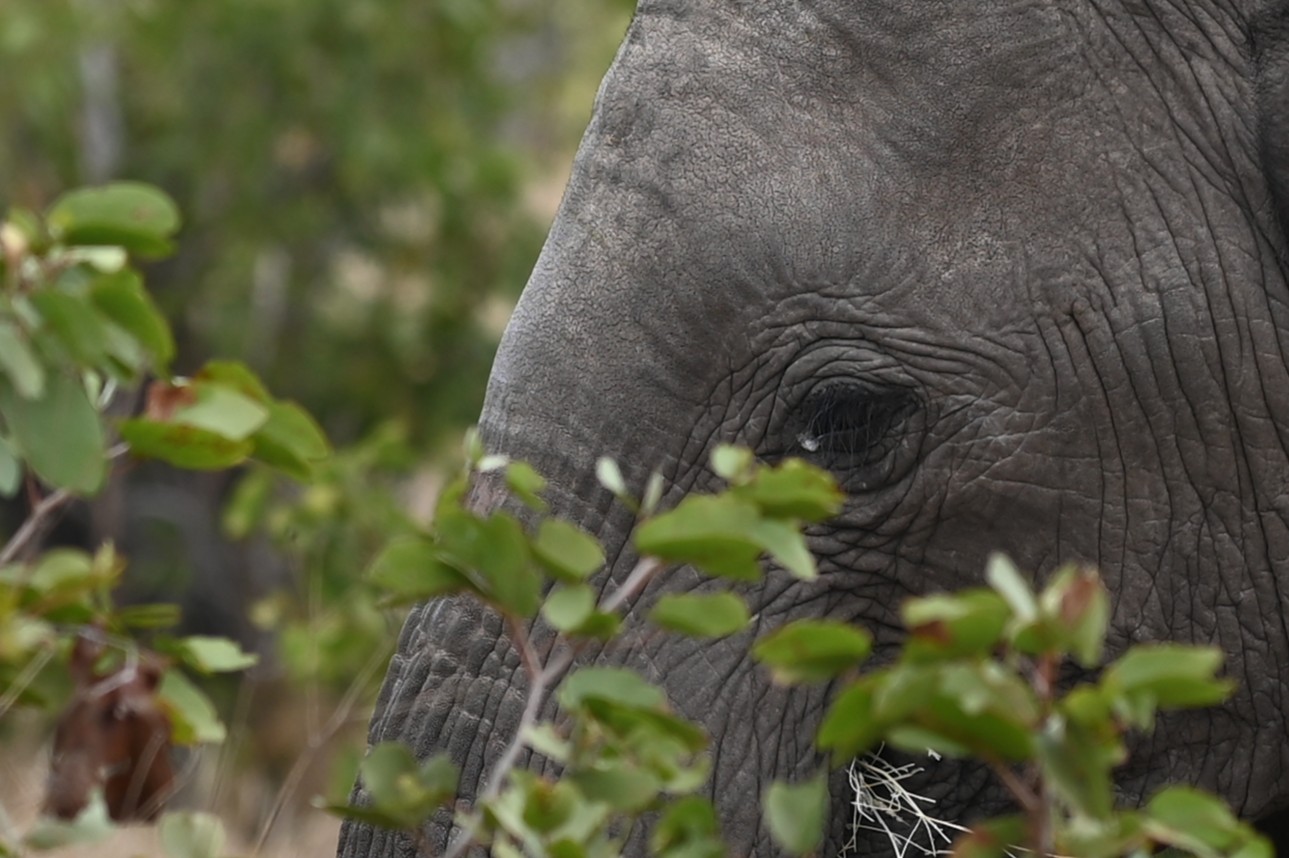
If you’re searching for things to do in Limpopo and expecting a neatly curated list of manicured gardens and cute cafés, I’m going to stop you right there. Limpopo doesn’t do neat. Limpopo does raw, wild, and wonderfully weird. It’s the kind of place where ancient kings were buried on sacred hills, elephants wander under thousand-year-old baobabs, and locals still believe a great white crocodile guards the bottom of a cursed lake. And I’m 100% here for it.
I came to Limpopo thinking I’d tick off a few game drives and UNESCO sites. What I didn’t expect was to track rhinos on foot, hear ancestral stories that gave me goosebumps, and feel like I’d discovered a side of South Africa most travellers skip. Limpopo isn’t trying to impress you with billboards or buzzwords, it’s showing up as it is: raw, real, and full of heart.
And nestled in the thick of it? Mapesu Private Game Reserve. A Big 5 haven doing real conservation work (none of that greenwashed fluff), where you can sleep under the stars, wake to the sound of lions, and maybe, just maybe, watch wild dog pups play in the dirt like it’s a Saturday morning cartoon.
So whether you’re planning a cross-country road trip, a bush escape with the kids, or just trying to avoid Kruger’s traffic jams, keep reading. This guide to the best things to do in Limpopo is where your next big adventure begins.

Disclaimer: I was kindly hosted by Mapesu Private Game Reserve during my time in Limpopo. As always, all thoughts, experiences, and (slightly overexcited) adjectives are entirely my own. Please also note that all of my blogs may contain affiliate links, which means that if you click on them and make a purchase I may receive a small commission.
Where Is Limpopo and Why Is It So Special?
Limpopo is South Africa’s northernmost province, the one that hugs the borders of Botswana, Zimbabwe, and Mozambique like it’s in an open relationship with adventure. It’s not the kind of place you accidentally end up in. You choose Limpopo. And when you do, she rewards you with drama: dramatic landscapes, dramatic wildlife sightings, and dramatic folklore that makes you question whether that rustle in the bush really was “just the wind.”
Geographically, it’s a patchwork of magic:
- The Waterberg Biosphere – a UNESCO-listed wilderness of red rock and rolling bushveld
- The Soutpansberg Mountains – the northernmost range in South Africa, wrapped in myth and mist
- The Limpopo River – yes, the same one Rudyard Kipling banged on about
- And the legendary Mapungubwe National Park, where South Africa’s first kingdom once traded gold and ivory
This isn’t touristy South Africa. This is ancient-land-meets-wild-heartland. And it’s exactly why I ended up falling in love with it.
Whether you’re in it for the baobabs, the Big 5, or the belief that a python spirit guards a sacred lake (we’ll get to that), Limpopo’s the kind of place that gets under your skin…and stays there.

Top 5 Reasons to Visit Limpopo (and Brag About It Later)
So, why should you detour off the beaten path and give Limpopo a few days of your life (and a prime spot in your camera roll)? Here are five reasons that might just have you packing your boots before you finish this paragraph:
1. Track Rhinos on Foot at Mapesu Private Game Reserve
Forget lazy game drives where the guide does all the work. Here, you walk where rhinos roam. It’s adrenaline meets education, because nothing makes you care about conservation quite like standing 30 metres from a horned tank with attitude.
2. Explore South Africa’s First Kingdom at Mapungubwe Hill
Before there was Joberg and influencers in Kruger, there was Mapungubwe. A real-deal royal site where kings were buried in gold, trade routes connected Africa to Asia, and sacred hills still echo with power.
3. Watch Elephants Wander Beneath Baobabs
It’s like a David Attenborough episode, but you’re in it. And trust me, seeing a tusker casually stroll past a thousand-year-old tree is a spiritual experience you didn’t know you needed.

4. Swim in Stories and Superstition at Lake Fundudzi
Sacred lakes, invisible villages, and whispers of a white crocodile protector. Limpopo doesn’t just show you nature, it hands you the folklore with it. Myth meets mist, and it’s weirdly wonderful.
5. Use It as Your Gateway to Three Countries
From Limpopo, you can cross into Botswana, Zimbabwe, and Mozambique without needing to question whether your luggage will arrive with you. It’s the perfect launchpad for a multi-country adventure which is why Mapesu Private Game Reserve attracts so many overlanders!
The Best Wildlife Experiences in Limpopo
If your idea of a good time involves early mornings, dusty boots, and heart-thudding animal encounters, you’re in the right province. Limpopo is wild. Not polished-Instagram-safari wild. Actual wild. The kind where you feel the bush before you see it.
Here are the wildlife experiences that had me grinning like a hyena at sunset:
Track Rhinos on Foot at Mapesu Private Game Reserve
This isn’t a passive “oh look, there’s a rhino from 200 metres away” type of deal. At Mapesu, you join a real conservation team on a mission. You walk, quietly, carefully, and with a healthy awareness that these creatures are built like tanks. It’s humbling. It’s exhilarating. And yes, you’ll likely sweat through your shirt, but that’s a small price to pay for the honour of locking eyes with a wild rhino on its turf.
This is exactly the kind of experience I seek out when looking for ethical conservation safaris, raw, responsible, and genuinely impactful.

My First Glimpse of Wild Dog Pups
If you’ve ever wondered what it feels like to walk into a David Attenborough documentary, this was it. The team at Mapesu Private Game Reserve had left the pack alone for six weeks so the alpha female could safely den. I joined the team for their first check-in; on foot, breath held, heart pounding. We found signs at the den: paw prints, scat, a puppy’s yelp. Then later, the moment of magic. Tiny pups tumbling from the earth as the adults returned from a hunt, legs wobbly, tails wagging. And for a moment, I remembered exactly why I care so fiercely about wild places.
Elephants in Mapungubwe National Park
Mapungubwe isn’t just about ancient kingdoms, it’s a surprisingly brilliant wildlife spot too, especially if like me, your favourite animals are elephants! Picture this: a bull elephant emerging from behind a baobab as the sun melts into gold. No other vehicles. No jostling for camera angles. Just you, your guide, and a moment that makes your breath catch.
Bonus? You’re likely to spot klipspringer, eland, and maybe even the odd leopard if the bush is feeling generous.
If you’re thinking of staying nearby, I’ve written about why the best Mapungubwe accommodation might actually be just outside the park boundaries

Game Drives at Mapesu Private Game Reserve
Mapesu might be a Big 5 reserve, but don’t expect traffic jams of Landcruisers jostling for a lion shot. There’s no radio relay summoning a circus to every sighting. It’s quiet. Intentional. And guided by people who actually know the bush, not just how to recite animal facts off a laminated cheat sheet.
You might not see everything in one drive (this isn’t Disney), but what you do see? You’ll remember. I’ve done over 70 days on safari, hiked with gorillas, watched the Migration cross the Mara River, been sprayed by a lion (yes, really), and chased by a wildebeest in heat, and Mapesu still made it into my top three wildlife experiences. That’s saying something.
Honourable Mentions
Maremani Nature Reserve
Tucked near the Zimbabwe border, Maremani is wild, remote, and proudly off-grid. It’s not about ticking off the Big 5, it’s about pristine landscapes, rewilding efforts, and spotting rare antelope without another soul in sight. Ideal for conservationists, birders, or anyone craving solitude over sundowners.
Northern Kruger (Pafuri Gate)
If you’re heading east, don’t skip the Pafuri region of northern Kruger. Technically part of Limpopo, it’s lush, lesser-visited, and teeming with elephants, nyala, and birdlife. The fever tree forests alone are worth the detour. Just don’t expect crowds. It’s Kruger’s quieter, more soulful sibling.

Birdwatching in Limpopo
From the iridescent plumage of Meyer’s parrots to the comical clatter of hornbills, Limpopo is a twitcher’s dream. With over 600 species, including rarities like Pel’s fishing owl, the skies here are just as exciting as the savannah. Bring binoculars!
The Best Cultural Experiences in Limpopo
Wildlife might steal the headlines, but Limpopo’s soul lives in its stories, and the people who still carry them. This is where ancient kingdoms were born, spiritual traditions are still practiced, and art is a form of living history. If you want to understand the land, don’t just look for animals. Listen to the ancestors.
Koaxa Rock Art
Some rock art is nice to look at. Some gives you goosebumps. Koaxa? It did both, thanks to a man named Fhumalani.
I’ve done dozens of guided tours, but this one stuck with me. As we stood before ochre-stained cliff faces, Fhumalani wove tales of eland sacrifices, rain dances, and shamanic rituals like he was there. He didn’t just explain the paintings, he brought them alive. His storytelling truly turned sandstone into sacred ground.
And that’s the beauty of Koaxa: it’s not just about what you see. It’s about what you feel.

Mapungubwe Hill: South Africa’s First Kingdom
Before Cape Town had cafés and Joburg had skyscrapers, there was Mapungubwe.
Set high on a sacred hill, this UNESCO World Heritage Site is where the first kingdom of Southern Africa once thrived. Kings were buried in golden splendour, trade routes reached Asia, and a complex society emerged centuries before European colonisers even looked at a map.
The climb to the top is a little steep, but the views, and the ancestral pull, are worth every step. There’s also a well-curated museum, great for context if you’re into artefacts. I’ll be honest, museums aren’t usually my thing, but others rave about it.
The Ribolla Cultural Route
If you want to meet the real Limpopo craftsmen, drummers, dancers and potters get yourself on the Ribolla Cultural Route.
Winding through villages like Elim and Giyani, this route is all about local pride and generational talent. You’ll meet women who weave stories into tapestries, musicians who make marimbas sing, and carvers whose hands seem guided by something divine.
It’s not a choreographed tourist show. It’s raw, joyful, and real. Bonus: you’ll leave with more than souvenirs. You’ll leave with connection.

Oppikoppi: Dust, Grit, and Rock ‘n Roll
Think of it as South Africa’s answer to Glastonbury (minus the rain, plus the braais).
Held in the dusty plains of Northam, Oppikoppi is a music festival that feels part apocalypse, part spiritual awakening. With everything from Afrikaans rap to indie folk and metal, it’s where Limpopo lets its hair down. You’ll dance barefoot, sleep badly, and somehow have the time of your life.
Oppikoppi has had irregular runs in recent years, check if it’s on before planning around it.
Cave of Hearths: Digging Into Humanity’s Past
Located in the Makapans Valley, this archaeological site is prehistoric. One of the oldest occupied caves in Southern Africa, it’s yielded everything from early human tools to evidence of fire use nearly a million years ago.
Visit with a guide who can unpack the history and then stand in the cool darkness and wonder: how far have we really come?
For Nature Lovers
Limpopo doesn’t just do nature, it does story-drenched landscapes. The kind of places where you half expect a tree to talk back or a python spirit to slither through your dreams. It’s wild, yes, but also wise. And it holds onto its secrets just tightly enough to make you lean in.

Lake Fundudzi & Thathe Vondo Forest
If you only do one thing in Limpopo that flirts with the mystical, make it this. Lake Fundudzi is sacred to the Venda people, and legend says you must approach it backwards, out of respect for the ancestors. Why? Because somewhere beneath its waters lies a cursed village, a great white crocodile, and maybe even your sense of reality. You’ll need a guide to visit, check with local tourism offices for reputable contacts.
Next door, the Thathe Vondo Forest is thick, dark, and said to be home to forest spirits. A guided visit here isn’t just a nature walk, it’s a cultural immersion into belief systems that still shape life today.
One moment you’ll be admiring the trees. The next? Whispering “sorry” for stepping on roots too loudly. Just in case.
Bela Bela (Formerly Warmbaths)
Prefer your mystical moments with a touch of steam? Bela Bela is home to natural hot springs said to have healing properties. It’s popular with families and wellness seekers alike, and a great place to soak post safari while pondering whether that cheetah really did stare into your soul.
Baobabs: Limpopo’s Gentle Giants
You’ll find baobabs all across northern Limpopo, particularly around Mapungubwe and Mapesu Private Game Reserve. These ancient trees feel less like flora and more like silent elders, watching over the land. Some are over a thousand years old, with bark thick enough to survive fire and roots that reach deep into the folklore of Africa.
Photogenic? Obviously. But more than that, they’re grounding. Majestic. Unapologetically themselves.

Things to Do in Limpopo for the Adventurous Soul
If your idea of sightseeing involves sweating, swearing (just a bit), and wondering if your travel insurance covers this, welcome home. Limpopo is paradise for the adventure-addicted. The landscapes are rugged, the activities are wild, and the thrill? Oh, it’s very real.
Here are some of the best things to do in Limpopo if you prefer your holidays with a side of “hold my beer”:
Bush Biking and Mountain Trails
Whether you’re cycling past giraffes in private reserves or hitting the Magoebaskloof MTB trails with a GoPro and a questionable sense of balance, Limpopo’s biking options are both beautiful and bum-numbing.
Hiking in the Soutpansberg & Waterberg
The Soutpansberg range is ancient, sacred, and stunning. Trails range from short scenic strolls to multiday hikes with misty mornings, baboon bark alarms, and the occasional “is that a leopard track?” moment. Waterberg offers a rockier, redder alternative with waterfalls and epic views that don’t come easy, but do come epic.

Quad Biking Through the Bush
Want to feel like Lara Croft with better sunscreen? Quad biking is available in several private reserves and lodges. It’s fast, dusty, loud, and stupidly fun. Just try not to grin like a maniac the whole time.
Canopy Tours in Magoebaskloof
Ziplining over waterfalls and forest canopies? Yes, please. The Magoebaskloof Canopy Tour gives you treetop views with a Tarzan-level thrill. Guides are safety-conscious but fun, and the scenery is so lush you’ll want to live there. I’ve “flown” with them twice before, although admittedly in some of their other locations, but their routes and guides have always stood out and I’m confident it would be no different here!
You can book online through Magoebaskloof Adventures. It is worth reserving ahead in peak season.

Cliff-Jumping, Abseiling & Kloofing
Head to Haenertsburg and surrounds for more niche thrills. Think: abseiling down slippery cliffs, scrambling through gorges, and jumping into cold, clear mountain pools like a feral forest child. If you’re not soaking wet and semi-proud of a new bruise by the end, did you even Limpopo?
Limpopo isn’t for the faint-hearted, but that’s the point. If you’re craving adventure, adrenaline, and stories that start with “so there I was…” then this is one of the best places in South Africa to find them. And trust me, the list of things to do in Limpopo just keeps getting wilder.
https://tpwgts.com/content?trs=176110&shmarker=369948&powered_by=true&campaign_id=108&promo_id=8412
Things to Do in Limpopo with Kids (or Just the Young at Heart)
Limpopo might be wild, but that doesn’t mean it’s off-limits for families. In fact, it’s one of the best places in South Africa to give your kids the kind of memories no tablet or theme park can compete with. Think real adventure. Dust, dung beetles, wide-open spaces, and not a queue in sight.
Here are some of the best things to do in Limpopo if you’ve got little adventurers (or grumpy teens who still like giraffes, secretly).
Family-Friendly Game Drives at Mapesu Private Game Reserve
Mapesu is that rare combo of real-deal safari meets family comfort. Game drives can be tailored to shorter attention spans, and guides have the patience of saints. No two-hour lectures on dung beetle mating rituals (unless you’re into that). Just awe-inspiring sightings, fun facts, and maybe even lion roars that shake the seat.
Polokwane Game Reserve
If your kids are new to safaris, this smaller reserve just outside the city is a perfect intro. Zebra, giraffe, ostriches, and you can often walk or drive at your own pace. It’s a low-stress, high-reward outing that gets the wiggles out without breaking the bank.

Hot Springs & Waterslides at Bela Bela
Not all things to do in Limpopo involve binoculars and animal spotting. Bela Bela (formerly Warmbaths) is where the bush takes a bath. With natural hot springs, slides, and pools, it’s a great place to unwind, or bribe the kids after a long travel day.
Sacred Stories at Lake Fundudzi
Guided storytelling around Lake Fundudzi is surprisingly child-friendly. The legends of white crocodiles, cursed villages, and lake spirits are chef’s kiss for curious minds, and a great way to introduce cultural respect while sneaking in some mythological magic.
Bottom line? Limpopo might not have mini golf, but it’s got giraffes, geysers, and ghost stories. And really, what more could you want from a family holiday?
For the Bucket Listers: Limpopo’s UNESCO Sites
If you’re the kind of traveller who likes to tick off world heritage sites (no judgement, I do it too), you’ll be pleased to know there are some seriously impressive entries on the Limpopo list. They’re not just educational, they’re properly awe-inspiring. And yes, they deserve a starring role on your Limpopo itinerary.
Mapungubwe Cultural Landscape
Let’s start with the crown jewel. Quite literally.
Mapungubwe is where Southern Africa’s first kingdom once thrived, centuries before colonialists ever laid eyes on a map. Think: elite burials in seated positions, a golden rhino buried with royalty, and a trade network that reached Asia before Europeans could sail straight.
Climb the sacred hill with a guide, visit the museum, and prepare to be transported back in time.

Waterberg Biosphere Reserve
Less about ancient kings, more about ancient cliffs and eco-systems. The Waterberg is a geological marvel, with red sandstone bluffs, deep ravines, and that classic bushveld drama. But what earns it UNESCO status is its blend of conservation, community living, and biodiversity.
It’s a brilliant spot for hiking, photography, or pretending you’re in a nature documentary while sipping a gin and tonic.
Hot tip: Many private game reserves are tucked within the Waterberg region, so you can sleep inside a UNESCO site without needing to pitch a tent or forage for berries.
Makapans Valley: Walking in the Footsteps of Humanity
Located near Mokopane, Makapans Valley is part of the greater Cradle of Humankind UNESCO World Heritage Site, and it’s one of the most important early human fossil sites in the world. Here, archaeologists uncovered evidence of tool use, fire, and hominid remains dating back nearly a million years. The Cave of Hearths is especially famous, with layers of history revealing how our ancestors lived, hunted, and evolved. It’s raw, rugged, and spine-tingling to stand where early humans once lit fires and cracked bones, making it truly fascinating spot for history lovers.
So if you’re into heritage, conservation, or just collecting world-class experiences like they’re Pokémon cards, these two are unmissable things to do in Limpopo.
Where I Stayed When I Visited Limpopo (Hint: It’s All at Mapesu Private Game Reserve)
Looking for somewhere as unforgettable as your wildest safari story? That’s exactly what I was after, and Mapesu delivered. Full disclosure: I was hosted as part of a collaboration with Mapesu Private Game Reserve, which meant I got to test out all their accommodation options. And let me tell you, whether you’re after barefoot bush vibes or a bit of lodge luxury, every option is tucked right inside the reserve, so no matter where you sleep, you’re still waking up to the sound of lions in the distance and sipping coffee under the African sunrise.
Want all the juicy details? You can read my full Mapesu Private Game Reserve review for stories, honest thoughts, and an elusive leopard.

Mapesu Campsite (Camping)
Think open skies and crackling fires. Pitch your own tent or park your overlander. Basic ablutions, your own braai stations, and zero fences between you and the wild. It’s budget-friendly, bold, and entirely bush-immersive, perfect for adventurers who prefer stars over room service.
Wilderness Tented Camp
Canvas tents that whisper wild: think comfy beds, flush loos, private decks, and an outdoor shower where birdsong is your soundtrack. There are no walls between you and the bush sounds, just stars, stories, and the occasional hyena call in the distance. It’s glamping without the ego.
Lucca Lodge (3★)
A cosy, mid-tier cottage-style lodge with three-star flair. Private thatched chalets, full-board meals, and communal lounges. Ideal for couples or small families who want comfort with just the right amount of wild. It’s rustic-chic, without being rustic.

Mopane Lodge (4★)
Mopane is the crown jewel of Mapesu, where bush luxury meets conservation heart. Think spacious suites, elegant dining, and the kind of quiet you only get when you’re miles from a main road. There’s a plunge pool for the brave (mine was more of a decorative feature in winter), and even the option to self-cater if that’s more your style. Into jogging with a side of impala? The lodge perimeter makes a pretty epic running route, if that’s your kind of fun. Specialist wildlife programs, and warm, attentive staff tie it all together. I didn’t want to leave.
Every stay here supports genuine conservation, local employment, and long-term wildlife research. No matter which option you pick, you’re not just booking a room, you’re becoming part of the story.

Frequently Asked Questions About Visiting Limpopo
Is Limpopo safe for solo female travellers?
Yes, with a few caveats (like anywhere). I travelled solo and felt completely safe at Mapesu and in most areas of Limpopo. Stick to reputable lodges, avoid night driving, and don’t wander into remote areas alone without a guide. If you’re booking with hosts who care (like Mapesu’s team), you’re golden. Trust your instincts, ask locals, and pack your confidence.
Can I see the Big 5 in Limpopo?
You bet. Mapesu Private Game Reserve is Big 5 territory, and without the vehicle traffic of some more popular parks. Northern Kruger also falls within Limpopo if you’re looping east, but Mapesu gives you wild sightings with fewer humans in the way.
What’s the best time of year to visit?
May to October (dry season) is prime for wildlife: clear skies, less vegetation, and animals gathering at water sources. November to March brings lush green beauty and migratory birds, but it can get hot, humid, and occasionally muddy. I say: visit twice.

How do I get to Mapesu Private Game Reserve?
Fly into Polokwane or Johannesburg, then drive. The closest town is Alldays, and Mapesu is about a 5-hour drive from Joburg, mostly on tar, with the final stretch giving you full “bush mode activated” vibes. I even spotted an elephant on the road about 5 km from Mapesu!
Is Limpopo good for families?
Surprisingly great! With family-friendly game drives, natural hot springs, outdoor adventures, and cultural storytelling experiences, there are plenty of things to do in Limpopo that don’t involve screens or snack bars. Your kids might even forget about Wi-Fi. Maybe.

Final Thoughts: Why Limpopo Deserves a Spot on Your Itinerary
Limpopo isn’t the kind of place that screams for attention, it doesn’t need to. It just is. Wild, ancient, soulful. A province where you can track rhinos on foot, stumble across sacred hills, soak in hot springs, and wake up to the sound of elephants outside your tent. Whether you’re a solo traveller chasing something deeper, a family craving connection, or a curious soul with muddy boots and a sense of humour, Limpopo welcomes you.
And if you’re still wondering about the best things to do in Limpopo? Start by booking a few days at Mapesu Private Game Reserve. The rest will fall into place; dust, wonder, goosebumps and all.
Leave a Reply

Los comentarios se cargarán aquí
Sé el primero en comentar